Foundations of Compliance and Privacy
Свайпніть щоб показати меню
Introduction to Compliance & Privacy

Compliance is the following laws, rules, and regulations that protect people, data, and organizations from harm.
Legal vs. Ethical Behavior
Legal compliance - doing the minimum required to follow the law. While, ethical responsibility is doing what respectful, customer-centered behavior demands.
Why This Matters in a Connected World
Modern consumers:
- Read reviews;
- Share negative experiences instantly;
- Switch companies with one click;
- Care about how brands treat people and data.
Compliance isn't just "rules." It's the foundation that keeps businesses trustworthy, safe, and sustainable. When companies combine legal compliance with ethical responsibility, they protect their reputation, earn customer loyalty, and build products and campaigns that last. With AI and automation becoming common, human judgment matters more than ever.
Global Privacy Regulation
Privacy Regulation is a set of laws designed to protect people's personal information and control how companies collect, store, and use it.
Major Global Privacy Laws
1. GDPR — General Data Protection Regulation (EU)
Violations can cost up to 4% of global annual revenue - sometimes billions.
Key rights it gives people:
- Know what data companies collect;
- Understand why the data is used;
- Request corrections;
- Request deletion ("right to be forgotten");
- Take their data somewhere else (data portability).
2. CCPA — California Consumer Privacy Act (USA)
What it gives Californians:
- The right to know what data companies collect;
- The right to opt out of data selling;
- The right to request deletion;
- The right to know who companies share data with.
It's slightly less strict than GDPR but set a huge precedent in the US.
3. LGPD — Lei Geral de Proteção de Dados (Brazil)
Key Features:
- Requires clear data consent;
- Regulates data processing;
- Protects both digital and physical data;
- Holds companies legally accountable.
Brazil is a massive global market — so companies worldwide must adjust to LGPD to operate there.
4. HIPAA — Health Insurance Portability and Accountability Act (USA)
Covers:
- Hospitals;
- Clinics;
- Insurance companies;
- Apps that store medical information.
Protects health and medical data. A medical data leak could cause discrimination, emotional harm, or long-term privacy damage.

Privacy shouldn't depend on which country someone lives in. Good companies take the highest standard (often GDPR) and apply it everywhere — not just where they are legally required.
Key Principles of Privacy
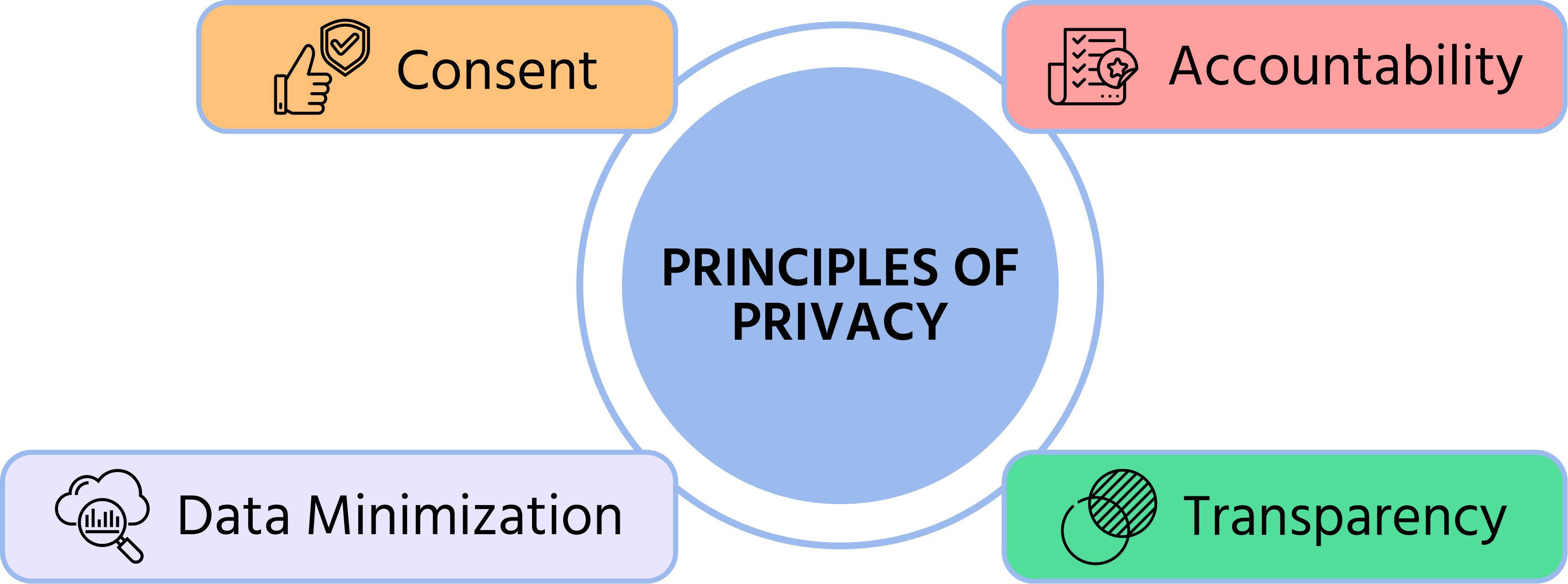
- Consent: people must freely and clearly give permission before their data is collected or used;
- Transparency: companies must openly explain what they do with data, and why;
- Accountability: businesses must not only follow privacy rules, they must prove they follow them;
- Data minimization: collect the least amount of data necessary.
Personal vs. Sensitive Data
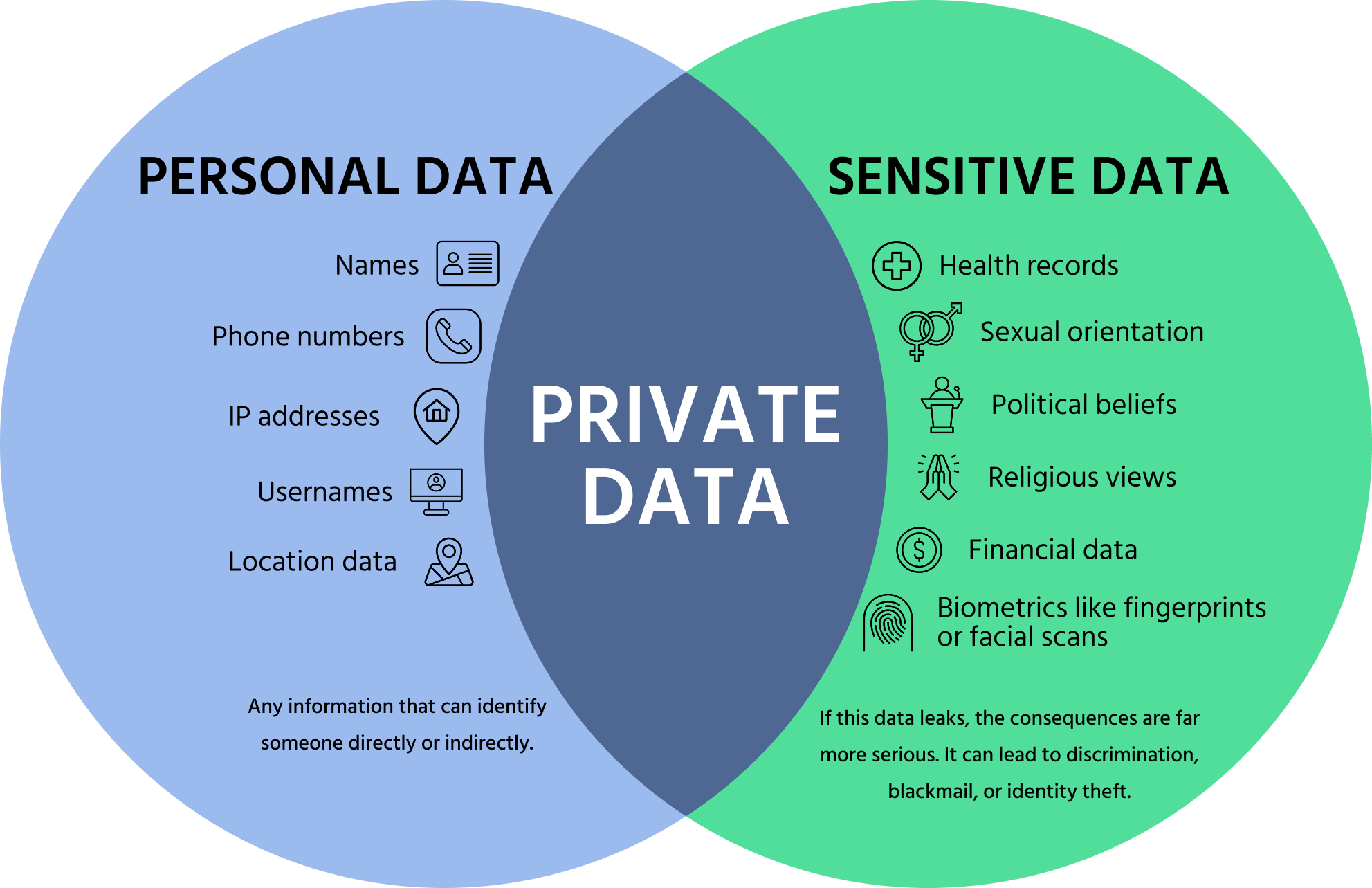
Sensitive data carries far more serious consequences if it's exposed, because it can be used to discriminate against someone, steal their identity, blackmail them, damage their job prospects, or even cause emotional and physical harm.
Ad Platform Policies
Platform-Specific Examples
-
Google Ads
- No misleading promises;
- No clickbait;
- No harmful or exploitative content.
-
Meta Ads (Facebook & Instagram)
No targeting people based on sensitive attributes, such as:- Health conditions;
- Race or ethnicity;
- Political affiliation;
- Sexual orientation.
-
TikTok Ads
High protection of young audiences.Teen-heavy user base → stricter bans on:- Weight-loss ads;
- Cosmetic procedures;
- Adult financial products;
- Sensitive themes.
Breaking the rules can result in:
- Ad rejection: your ads won't run until fixed;
- Account suspension: temporary lockout, ad delivery stops;
- Permanent ban: you lose access to the platform forever.
Case Study: Compliance in Action
Companies that treat privacy seriously gain trust and stability; those that ignore it risk massive financial and reputational harm. Understanding these lessons prepares you for a digital world where ethical data use isn't optional, it's essential.
1. What is the main goal of privacy regulations like GDPR and CCPA?
2. What does "consent" mean in privacy rules?
3. Which principle focuses on being open about how data is used?
4. Why does sensitive data require stronger protection?
Дякуємо за ваш відгук!
Запитати АІ

Запитати АІ

Запитайте про що завгодно або спробуйте одне із запропонованих запитань, щоб почати наш чат
Foundations of Compliance and Privacy
Introduction to Compliance & Privacy
Compliance is the following laws, rules, and regulations that protect people, data, and organizations from harm.
Legal vs. Ethical Behavior
Legal compliance - doing the minimum required to follow the law. While, ethical responsibility is doing what respectful, customer-centered behavior demands.
Why This Matters in a Connected World
Modern consumers:
- Read reviews;
- Share negative experiences instantly;
- Switch companies with one click;
- Care about how brands treat people and data.
Compliance isn't just "rules." It's the foundation that keeps businesses trustworthy, safe, and sustainable. When companies combine legal compliance with ethical responsibility, they protect their reputation, earn customer loyalty, and build products and campaigns that last. With AI and automation becoming common, human judgment matters more than ever.
Global Privacy Regulation
Privacy Regulation is a set of laws designed to protect people's personal information and control how companies collect, store, and use it.
Major Global Privacy Laws
1. GDPR — General Data Protection Regulation (EU)
Violations can cost up to 4% of global annual revenue - sometimes billions.
Key rights it gives people:
- Know what data companies collect;
- Understand why the data is used;
- Request corrections;
- Request deletion ("right to be forgotten");
- Take their data somewhere else (data portability).
2. CCPA — California Consumer Privacy Act (USA)
What it gives Californians:
- The right to know what data companies collect;
- The right to opt out of data selling;
- The right to request deletion;
- The right to know who companies share data with.
It's slightly less strict than GDPR but set a huge precedent in the US.
3. LGPD — Lei Geral de Proteção de Dados (Brazil)
Key Features:
- Requires clear data consent;
- Regulates data processing;
- Protects both digital and physical data;
- Holds companies legally accountable.
Brazil is a massive global market — so companies worldwide must adjust to LGPD to operate there.
4. HIPAA — Health Insurance Portability and Accountability Act (USA)
Covers:
- Hospitals;
- Clinics;
- Insurance companies;
- Apps that store medical information.
Protects health and medical data. A medical data leak could cause discrimination, emotional harm, or long-term privacy damage.
Privacy shouldn't depend on which country someone lives in. Good companies take the highest standard (often GDPR) and apply it everywhere — not just where they are legally required.
Key Principles of Privacy
- Consent: people must freely and clearly give permission before their data is collected or used;
- Transparency: companies must openly explain what they do with data, and why;
- Accountability: businesses must not only follow privacy rules, they must prove they follow them;
- Data minimization: collect the least amount of data necessary.
Personal vs. Sensitive Data
Sensitive data carries far more serious consequences if it's exposed, because it can be used to discriminate against someone, steal their identity, blackmail them, damage their job prospects, or even cause emotional and physical harm.
Ad Platform Policies
Platform-Specific Examples
-
Google Ads
- No misleading promises;
- No clickbait;
- No harmful or exploitative content.
-
Meta Ads (Facebook & Instagram)
No targeting people based on sensitive attributes, such as:- Health conditions;
- Race or ethnicity;
- Political affiliation;
- Sexual orientation.
-
TikTok Ads
High protection of young audiences.Teen-heavy user base → stricter bans on:- Weight-loss ads;
- Cosmetic procedures;
- Adult financial products;
- Sensitive themes.
Breaking the rules can result in:
- Ad rejection: your ads won't run until fixed;
- Account suspension: temporary lockout, ad delivery stops;
- Permanent ban: you lose access to the platform forever.
Case Study: Compliance in Action
Companies that treat privacy seriously gain trust and stability; those that ignore it risk massive financial and reputational harm. Understanding these lessons prepares you for a digital world where ethical data use isn't optional, it's essential.
Дякуємо за ваш відгук!
