Understanding Data in C
Sveip for å vise menyen
All programs operate on data, whether it's numbers, text, or symbols. Every piece of data is built upon basic types. For example, text is made up of individual characters, and these basic elements can be combined to form more complex data structures. In the C language, there are several fundamental data types:
int(for integers);float(for decimal numbers);char(for individual characters).
Integer
The int type is used for whole numbers.
For example, imagine you’re tracking your monthly sales. In one month, you earned $235, and in another, you lost $14. Both of these values are whole numbers, so they can be stored in an int variable.
Float
The float type is used for decimal numbers, ensuring precision. For example, if your budget plan is $235.50 but you spend $236.89, using a float keeps the exact values instead of rounding them.
Char
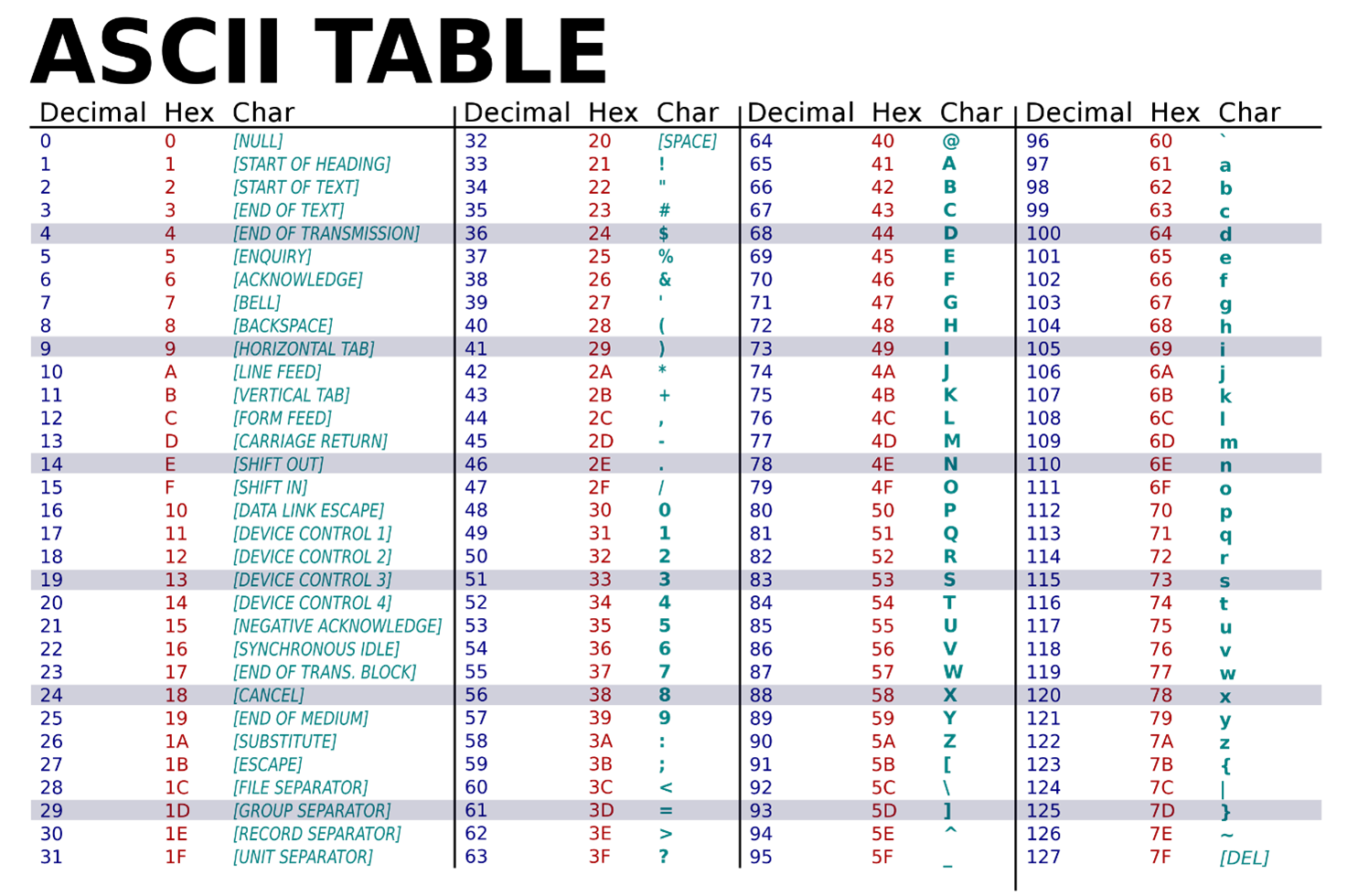
While the char type is used for characters, it actually stores integer values based on the ASCII system, the standard that defines how characters are represented in numbers.
For example, the integer 100 corresponds to the character 'd'.
Data types serve a critical role in determining how your computer's memory handles and processes the information (or numbers) within your program.
Takk for tilbakemeldingene dine!
Spør AI

Spør AI

Spør om hva du vil, eller prøv ett av de foreslåtte spørsmålene for å starte chatten vår
Understanding Data in C
All programs operate on data, whether it's numbers, text, or symbols. Every piece of data is built upon basic types. For example, text is made up of individual characters, and these basic elements can be combined to form more complex data structures. In the C language, there are several fundamental data types:
int(for integers);float(for decimal numbers);char(for individual characters).
Integer
The int type is used for whole numbers.
For example, imagine you’re tracking your monthly sales. In one month, you earned $235, and in another, you lost $14. Both of these values are whole numbers, so they can be stored in an int variable.
Float
The float type is used for decimal numbers, ensuring precision. For example, if your budget plan is $235.50 but you spend $236.89, using a float keeps the exact values instead of rounding them.
Char
While the char type is used for characters, it actually stores integer values based on the ASCII system, the standard that defines how characters are represented in numbers.
For example, the integer 100 corresponds to the character 'd'.
Data types serve a critical role in determining how your computer's memory handles and processes the information (or numbers) within your program.
Takk for tilbakemeldingene dine!
