セクション 5. 章 2

single
基本概念と構造
メニューを表示するにはスワイプしてください
C言語における連結リストは、ノードと呼ばれる要素から構成されるシンプルな動的データ構造。 各ノードはデータ(変数やオブジェクトなど)と、リスト内の次のノードへのポインタを保持。
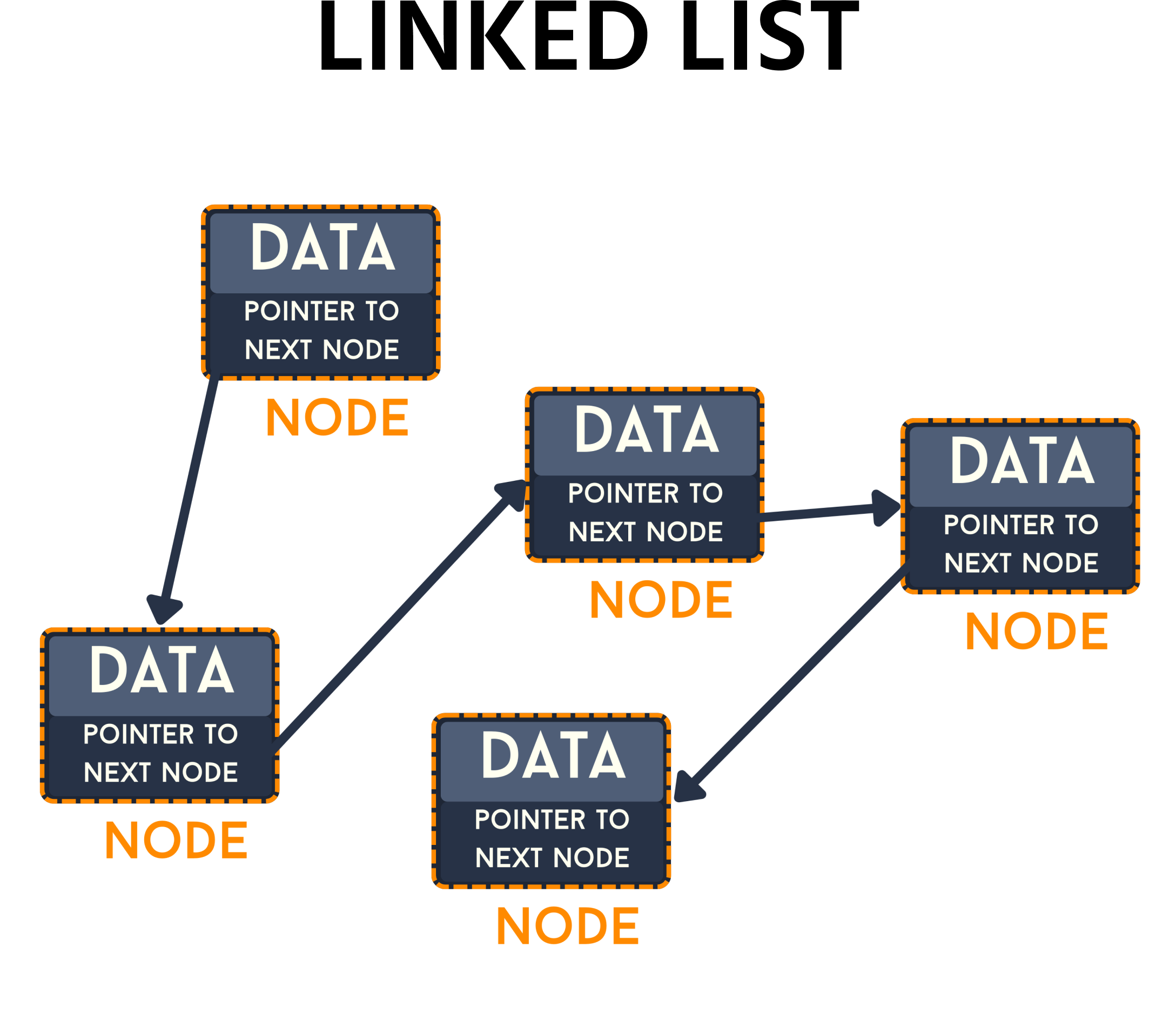
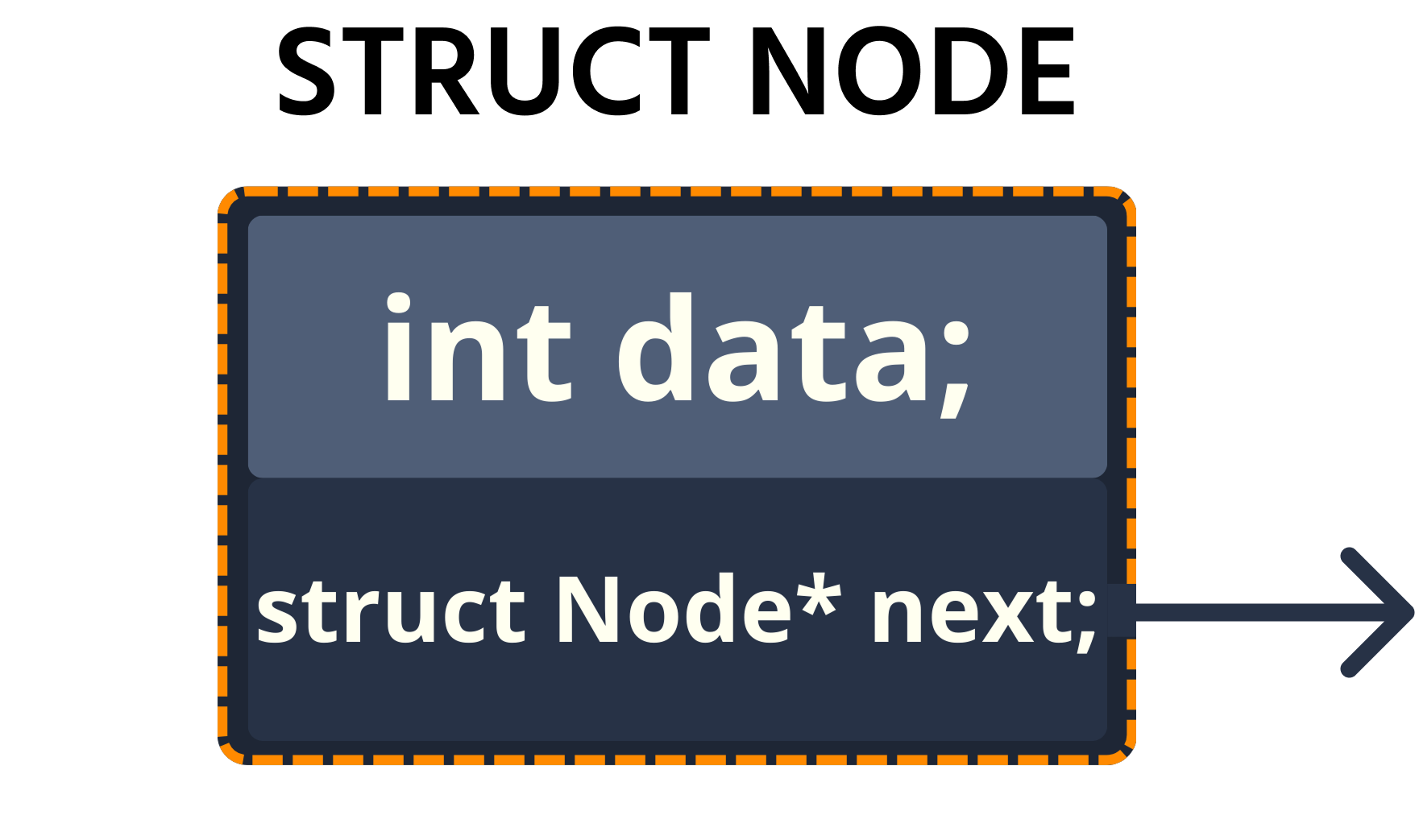
C言語における単方向連結リストの典型的なノードの例:

main.c
1234struct Node { int data; // data in node struct Node* next; // pointer to next node };
次のノードへのポインタの代わりに新しいノードのインスタンスを単純に作成しようとすると、エラーが発生します。
このような構造体には自分自身が含まれているため、コンパイラはメモリを割り当てることができません。これは、自分自身の目で自分を外から見るようなものです。
ポインタを使用することでこの問題が解決されます。なぜなら、コンパイラはポインタ変数にどれだけのメモリを割り当てるかを知っているからです。

注意
最後のノードポインタは常に NULL となる。
タスク
スワイプしてコーディングを開始
createNode 関数を作成し、新しい連結リストノードのために動的にメモリを割り当てます。この関数は、data フィールドを指定された値で初期化し、next ポインタを NULL に設定します。
その後、main 関数内で複数のノードを作成し、それらを連結して、連結リストを出力します。
createNode内で、mallocを使用して新しいノードのメモリを割り当て、(struct Node*)にキャストします。- メモリ割り当てに失敗したかどうかを確認します。
newNodeがNULLの場合、エラーメッセージを出力し、NULLを返します。 - 新しいノードの
dataフィールドをvalueパラメータで初期化します。 - 新しいノードの
nextポインタをNULLに設定します。 - 新しく作成したノードへのポインタを返します。
解答
 実践的な練習のためにデスクトップに切り替える下記のオプションのいずれかを利用して、現在の場所から続行する
すべて明確でしたか?
フィードバックありがとうございます!
セクション 5. 章 2
single
AIに質問する

AIに質問する

何でも質問するか、提案された質問の1つを試してチャットを始めてください
