Access Permissions and Data Privacy
Swipe um das Menü anzuzeigen
Giving an agent access to your tools is what makes it genuinely useful – but it also means you are sharing data with an external system. Understanding what you are sharing, with whom, and how to control it is not a technical skill. It is a basic professional responsibility, the same way knowing who has access to your shared drives is.
What Happens to the Data You Share
When you paste text into an agent or upload a document, that content is sent to the platform's servers for processing. What happens to it after that depends on the platform and the type of account you are using.
Many consumer accounts allow the platform to use your conversations for model improvement – check your platform's privacy settings to confirm the default for your account.

Data retention – how long a platform stores your conversations and uploaded files after a session ends. Consumer accounts typically retain data for 30 days or more. Enterprise accounts often offer zero data retention, meaning nothing is stored after the session closes.
The Three Questions to Ask Before Sharing Data
Before you paste a document or connect a tool, ask yourself:
- Is this information confidential? If it contains personal data, financial details, client information or anything marked internal or confidential, check your organization's AI policy before sharing it;
- What account am I using? A personal free account has different privacy terms than a company enterprise account. Know which one you are on;
- Does this platform need this access? Only connect tools the agent will genuinely use. Connecting your entire Google Drive when you only need it to read one folder is unnecessary exposure.

If your organization has not yet published an AI usage policy, treat confidential and client data as off-limits for consumer AI tools until it does. When in doubt, use anonymized or synthetic examples instead of real data to test workflows.
Managing Permissions Practically
Most platforms make it straightforward to review and revoke access. It is worth spending five minutes doing this audit when you first set up your agent, and then revisiting it every few months.
What to check:
- Which tools and accounts are connected to your agent;
- Whether your conversation history is being used for model training and how to opt out if you prefer;
- Whether you are using a personal or a business account, and what the data terms are for each.
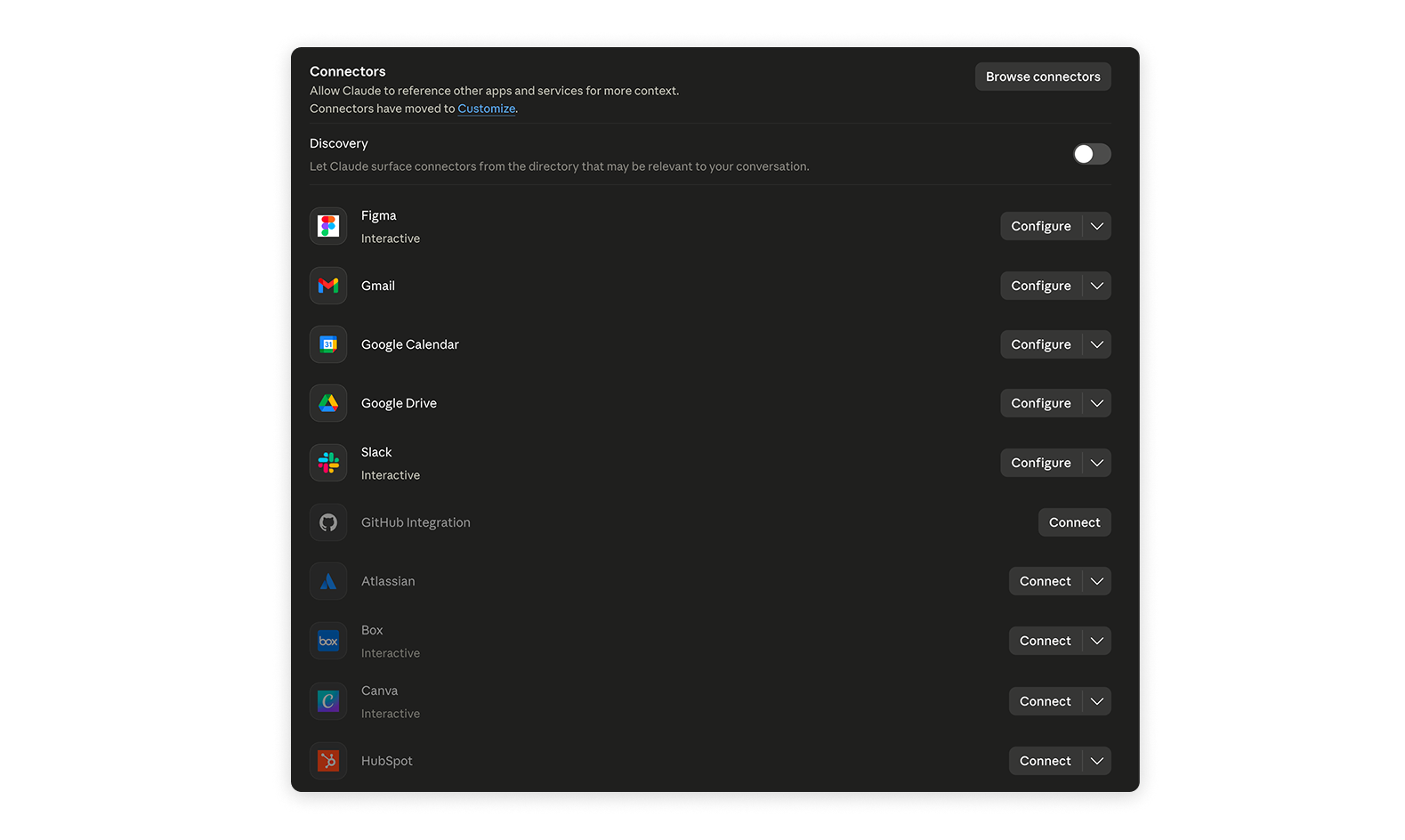

Each major platform publishes its data privacy terms clearly. The most relevant pages to bookmark are:
- Claude:
claude.ai/legal/privacy - ChatGPT:
openai.com/policies/privacy-policy - Gemini:
support.google.com/gemini(search "data privacy")
Reading the summary section of each takes less than ten minutes and answers most practical questions about what happens to your data.
What Is the Difference Between Consumer and Enterprise AI Accounts?
Consumer accounts – including free plans and most individual paid subscriptions – are designed for personal use. They typically include the platform's standard data terms, which may allow conversation data to be used for model improvement unless you opt out.
Enterprise accounts are designed for organizational use and typically include:
- A data processing agreement (DPA) with the provider;
- Zero or limited data retention after sessions close;
- No use of your data for model training;
- Admin controls that let your IT team manage access across the organization.
If you regularly work with sensitive client or company data, using an enterprise account – or your organization's approved AI tool – is the appropriate choice, not a preference.
Danke für Ihr Feedback!
Fragen Sie AI

Fragen Sie AI

Fragen Sie alles oder probieren Sie eine der vorgeschlagenen Fragen, um unser Gespräch zu beginnen
Access Permissions and Data Privacy
Giving an agent access to your tools is what makes it genuinely useful – but it also means you are sharing data with an external system. Understanding what you are sharing, with whom, and how to control it is not a technical skill. It is a basic professional responsibility, the same way knowing who has access to your shared drives is.
What Happens to the Data You Share
When you paste text into an agent or upload a document, that content is sent to the platform's servers for processing. What happens to it after that depends on the platform and the type of account you are using.
Many consumer accounts allow the platform to use your conversations for model improvement – check your platform's privacy settings to confirm the default for your account.
Data retention – how long a platform stores your conversations and uploaded files after a session ends. Consumer accounts typically retain data for 30 days or more. Enterprise accounts often offer zero data retention, meaning nothing is stored after the session closes.
The Three Questions to Ask Before Sharing Data
Before you paste a document or connect a tool, ask yourself:
- Is this information confidential? If it contains personal data, financial details, client information or anything marked internal or confidential, check your organization's AI policy before sharing it;
- What account am I using? A personal free account has different privacy terms than a company enterprise account. Know which one you are on;
- Does this platform need this access? Only connect tools the agent will genuinely use. Connecting your entire Google Drive when you only need it to read one folder is unnecessary exposure.
If your organization has not yet published an AI usage policy, treat confidential and client data as off-limits for consumer AI tools until it does. When in doubt, use anonymized or synthetic examples instead of real data to test workflows.
Managing Permissions Practically
Most platforms make it straightforward to review and revoke access. It is worth spending five minutes doing this audit when you first set up your agent, and then revisiting it every few months.
What to check:
- Which tools and accounts are connected to your agent;
- Whether your conversation history is being used for model training and how to opt out if you prefer;
- Whether you are using a personal or a business account, and what the data terms are for each.
Each major platform publishes its data privacy terms clearly. The most relevant pages to bookmark are:
- Claude:
claude.ai/legal/privacy - ChatGPT:
openai.com/policies/privacy-policy - Gemini:
support.google.com/gemini(search "data privacy")
Reading the summary section of each takes less than ten minutes and answers most practical questions about what happens to your data.
What Is the Difference Between Consumer and Enterprise AI Accounts?
Consumer accounts – including free plans and most individual paid subscriptions – are designed for personal use. They typically include the platform's standard data terms, which may allow conversation data to be used for model improvement unless you opt out.
Enterprise accounts are designed for organizational use and typically include:
- A data processing agreement (DPA) with the provider;
- Zero or limited data retention after sessions close;
- No use of your data for model training;
- Admin controls that let your IT team manage access across the organization.
If you regularly work with sensitive client or company data, using an enterprise account – or your organization's approved AI tool – is the appropriate choice, not a preference.
Danke für Ihr Feedback!
